



 12 Mar 26
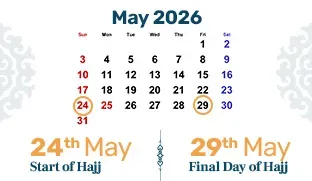
Knowing the Hajj dates is very important. However, it is beyond just knowing the dates. The dates depend on two calendars. This includes the Islamic lunar calendar and the Gregorian calendar that everyone uses daily. So, aligning the dates between the two calendars is very important for planning travel, stays, and registrations.
In this guide, you'll get to know all about the expected dates of Hajj 2026. It will explain the schedule, the reasons the dates are not final, the registration dates, and travel advice for pilgrims. This will help you have a clear understanding of how to prepare in different domains. This includes being prepared spiritually, logistically, and financially.
When Is Hajj 2026?
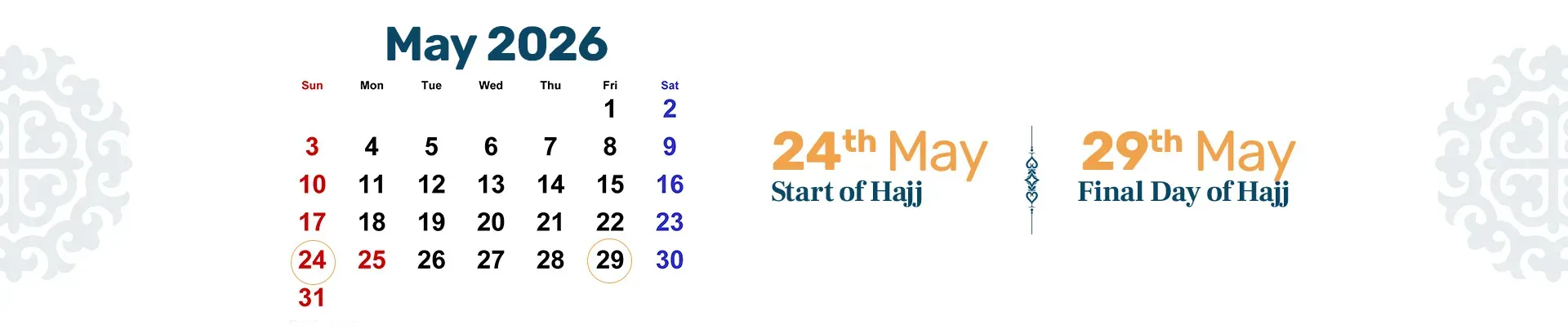
Hajj 2026 is expected to take place in Dhul Hijjah 1447 AH, likely between late May and early June 2026. The estimates of the Hajj dates for 2026 are based on past patterns and astronomical calculations. So, based on that, it is expected to take place in late May 2026.
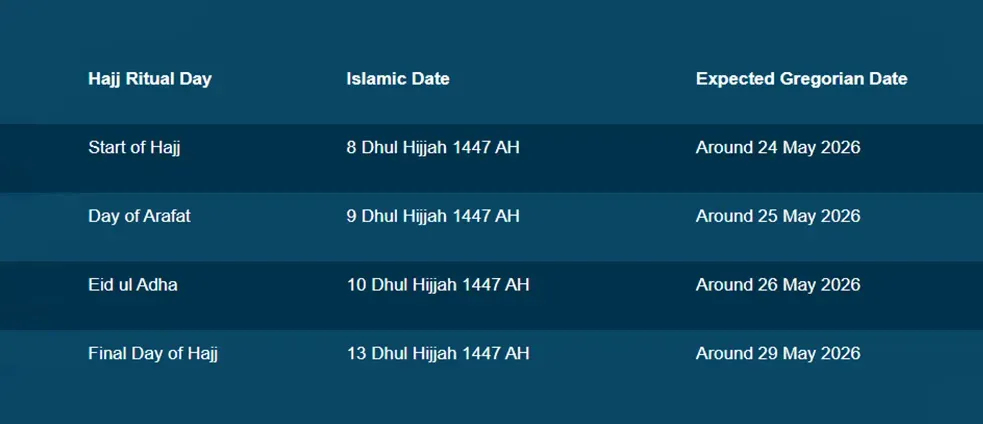
The accuracy of these dates is not final. The official dates will only be confirmed by the Saudi authorities based on the moon sighting. So, pilgrims should always confirm based on the official announcement.
Hajj 2026 Dates According to the Islamic Calendar
Since Hajj 2026 is based on the lunar calendar, knowing the Islamic dates is very important. The Islamic calendar differs from the Gregorian calendar because it is based on the moon rather than the sun. So, in the Gregorian calendar, the Hajj dates move back by 10-11 days each year. For 2026, Hajj will take place in Dhul Hijjah 1447 AH, the twelfth month of the Islamic year.
Key Islamic Dates for Hajj 2026
Knowing the Islamic dates helps pilgrims prepare and perform all the Hajj rituals at the right time.
8 Dhul Hijjah 1447 AH: Start of Hajj Rituals
This date marks the start of Hajj, when pilgrims enter the state of Ihram. Ihram is a state of purity in which men wear specific clothing and women wear modest clothing that covers their bodies. The start of Hajj means pilgrims go to Mina and start preparing for the pilgrimage. This day is important for setting your intention for Hajj and preparing.
9 Dhul Hijjah 1447 AH: Day of Arafat
The most important day of Hajj is the Day of Arafat. On this day, pilgrims gather at the plain of Arafat and offer various prayers. For those not performing Hajj, fasting on this day is recommended.
10 Dhul Hijjah 1447 AH: Eid ul Adha
The next day, people return to Muzdalifah and Mina for an animal sacrifice. This is a reminder of the trust Prophet Ibrahim placed in Allah's plans. This sacrifice marks the celebration of Eid al-Adha worldwide, and Muslims all over the world perform animal sacrifice in the name of Allah. It is also when Tawaf al-Ifadah is performed.
13 Dhul Hijjah 1447 AH: Completion of Hajj
The Hajj comes to an end on the 13th of Dhul Hijjah. From the 10th to the 13th of Dhul Hijjah, pilgrims stone the Jamaraat. After this, pilgrims can reflect on their journey and begin preparing to return home.
Why the Islamic Calendar Matters for Hajj Planning
Knowing Islamic calendar dates helps align them with the Gregorian calendar. This helps plan for travel and stay. Following the Islamic calendar carefully ensures that pilgrims do every act of Hajj on the correct day. This helps them get the most spiritual benefit and follow all religious rules properly.
Why Hajj 2026 Dates Are Not Final Yet
When preparing for Hajj 2026, knowing the final dates is every pilgrim's priority. However, the dates tend to be expected or tentative. This is because Hajj is based on the Islamic calendar, which is lunar. The moon sightings vary each year, so the dates change.
The final dates can only be confirmed when the Saudi authorities officially see the moon. Scientists may use calculations and past patterns to predict dates. However, the exact dates can only be confirmed by moon sighting. This makes sure that Hajj is performed correctly according to Islamic law.
Key points about tentative Hajj dates
- Dates may change: Depending on whether the moon is visible, Hajj 2026 might start one day earlier or one day later than expected.
- Official confirmation comes close to Hajj: The authorities in Saudi Arabia usually announce the confirmed dates seven to ten days before Dhul Hijjah begins.
- Pilgrims should follow the official announcement: Even though calendars and calculations can give an idea, all final plans should follow what Saudi Arabia announces officially.
Hajj 2026 Dates in Saudi Arabia
The final dates for Hajj are always subject to official announcements by the Saudi authorities. Even if moon sighting varies across countries, Hajj is based solely on the Saudi authorities' announcement. So, pilgrims should only follow Saudi Arabia's schedule.
Saudi authorities announce the key dates for Hajj well in advance. These dates include the following:
- Start of Dhul Hijjah: This marks the beginning of Hajj rituals. It is the first day when pilgrims enter the sacred state of Ihram.
- Day of Arafat: This is the most important day of Hajj. On this day, pilgrims gather at the plain of Arafat to pray and show devotion.
- Eid ul Adha: This day remembers the willingness of Prophet Ibrahim AS to sacrifice his son. It is the day when pilgrims perform the Qurbani ritual.
The official dates set by Saudi Arabia ensure that all pilgrims follow the correct dates and perform the rituals on the right days. Planning this way prevents confusion caused by different moon sightings in other countries.
Day of Arafat and Eid al-Adha 2026
The two key days of Hajj include the Day of Arafat and Eid al-Adha. Both of these days hold immense spiritual significance. Knowing about them helps you prepare both physically and mentally.
Day of Arafat: 9 Dhul Hijjah 1447 AH (Expected 25 May, 2026)
The Day of Arafat is the key day of Hajj. People go to the plain of Arafat and perform various prayers and ask for forgiveness. The act of standing at Arafat, called Wuquf, is a key ritual in Hajj. Without this, the pilgrimage is incomplete.
Apart from the pilgrims, this day is equally important for Muslims worldwide. For those not part of the pilgrimage, it is recommended to fast on this day to atone for past sins and prepare for the coming year.
Eid ul Adha: 10 Dhul Hijjah 1447 AH (Expected 26 May, 2026)
Following the Day of Arafat is Eid al-Adha. This is a festival of sacrifice. For pilgrims and Muslims worldwide, this involves performing Qurbani. Qurbani is an animal sacrifice, which is a reminder of when Prophet Ibrahim was ready to sacrifice his son on Allah's orders. On the day of Eid, Muslims perform Eid prayer, sacrifice an animal if possible, and share the meat with loved ones and the needy.
On this same day, pilgrims perform Tawaf al-Ifadah. Tawaf means walking around the Kaaba seven times in an anticlockwise direction.
Key Takeaways for Pilgrims
- Preparation: Make sure you are ready physically. These days involve long hours of standing, walking, and doing rituals under the sun.
- Spiritual Focus: Use these days to reflect deeply, pray frequently, and ask Allah for forgiveness.
- Timelines: Plan your travel, accommodations, and group schedule. This ensures that you are at the right place at the right time for these important rituals.
Hajj 2026 Registration and Application Dates
The most important thing about Hajj is registering for it at the right time. There is a limited quota of people who can register for Hajj each year, and demand is high. So, knowing when to register helps ensure you get a spot.
Hajj Registration Overview
The Hajj registration dates vary by country. This is because each country manages the number of pilgrims in accordance with Saudi Arabia's rules. Registration typically opens 6 to 8 months before the start of the pilgrimage. This allows pilgrims enough time to get all documents in order. It also allows them to choose their preferred Hajj packages and apply for visas promptly.
The Nusuk Hajj Platform
For international pilgrims, the Hajj application process is streamlined through the Nusuk Hajj platform. This online platform makes the registration process clear and organised. It allows pilgrims to apply for Hajj visas and book rooms, packages, and additional services. This centralizes the whole planning process.
Hajj visas are issued only to pilgrims approved by the system. Approvals are based on whether the applicant complies with all Saudi regulations. Moreover, it's very important to check the Nusuk platform for updates and announcements regularly.
Benefits of Early Registration
The first rule of registering for Hajj is to do it as early as possible. This is because there are limited quotas for pilgrims. So, applying early ensures you get a spot. It also helps avoid last-minute rush and getting your preferred hotel rooms. This way, pilgrims can plan their expenses and budget more efficiently.
Country-Specific Variations
While the Saudi authorities officially set the Hajj schedule, the registration can vary by country. Therefore, pilgrims should check with the country-specific Hajj authorities to confirm the official registration dates. Visa processing time may also vary by country. So it is important to be aware of that. Lastly, the document requirements may also be country-specific, especially vaccinations.
Hajj 2026 Travel Dates and Length of Stay
Apart from knowing the Hajj 2026 dates, there are other important things to consider. You need to figure out your travel plans and the duration of your stay in Saudi Arabia. Most Hajj packages are long enough for pilgrims to relax and travel between holy sites, apart from the rituals.
Typical Travel Timeline
The usual duration of Hajj packages is 10 to 20 days. The duration depends on the type of package and services you select. Here is what a usual plan looks like.
- Arrival in Saudi Arabia: Most pilgrims arrive 5 to 7 days before Hajj officially begins on 8 Dhul Hijjah 1447 AH. This time is for settling into your hotel, getting used to the weather, and making initial visits to the holy sites in Makkah and Madinah.
- Hajj Rituals: The main rituals happen from 8 to 13 Dhul Hijjah. The Hajj package ensures pilgrims have enough time at each stop for each ritual. Transport is arranged, and guidance is provided so everything is organised and easy to follow.
- Departure: Pilgrims usually leave three to five days after Hajj ends. This time is for visiting other holy sites, offering additional prayers, and resting before returning home.
Travel Planning Tips
- Book Flights Early: The Hajj season is very busy. So, flights to Jeddah or Medina get full quickly. Booking your flight early helps you choose your preferred departure city and find better prices.
- Consider Layovers and Transfers: Most Hajj packages include transport between Makkah, Madinah, and Mina. Knowing your full travel plan helps make your journey less stressful.
- Flexibility for Date Changes: Hajj dates depend on the moon's visibility. It is a good idea to keep some extra time in your travel plans in case the dates change by a day.
Best Time to Book Hajj 2026 Packages
When you book your Hajj package, it can significantly affect your experience. Since Hajj spots are limited and many people want to perform the pilgrimage, seats fill up quickly. Also, when you book, the pilgrimage's cost changes. Therefore, booking early is the best choice.
Why Early Booking Matters
Most pilgrims want to be sure of their travel dates. So they don't book until the Hajj dates are announced officially. However, this may not be a good idea. Packages, hotels, and quotas fill up quickly. So not being early means you may miss a spot. With early booking, you get many benefits.
- Better Accommodation: You can book rooms in hotels near the Haram or choose the facilities you like in Madinah. This makes your pilgrimage more convenient.
- Organised Group Travel: You can join well-organized travel groups. These groups provide guided transport, support, and a smoother experience during all Hajj rituals.
- Lower Stress and More Choices: Booking early helps you avoid last-minute rushes, fewer room options, and high prices.
When to Book Hajj 2026 Packages
Based on what Saudi Arabia usually does and in past years, here are suggestions on when to book.
- As soon as registration opens, most countries and private Hajj operators begin accepting applications 6 to 8 months before Hajj. Booking at this stage makes sure you get the package you want.
- When Expected Dates Are Announced: Even before the dates are final, operators often allow bookings based on expected Hajj 2026 dates. Booking early helps you plan flights, hotels, and transport.
- Before Final Quotas Are Filled: If you wait too long, there may be fewer options, higher costs, or you might miss your chance completely.
Additional Benefits of Early Booking
- Flexible Flight Options: Booking early lets you choose your preferred departure city, flight time, and connections. These are often cheaper when you book early.
- Financial Planning: Paying for your Hajj package in advance helps you manage your budget without stress. You can pay in parts and avoid last-minute problems.
- Peace of Mind: When your Hajj plans are confirmed, you can focus on preparing spiritually and physically instead of worrying about travel arrangements.
Important Things to Prepare Before Hajj 2026
Lastly, beyond travel arrangements, you need to make sure you are spiritually ready for Hajj. It is the most important journey in a Muslim's life. So preparedness is key. Plus, it can be very hot and physically challenging. So preparing ahead of time is important. Here is a comprehensive checklist to help you prepare for Hajj 2026.
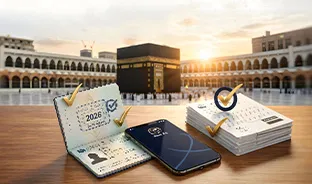
Valid Passport and Travel Documents
Firstly, your passport should be valid for at least 6 months after your travel date. This is to ensure there are no last-minute delays. Also, documentation is very important, so keep physical and digital copies of all important documents. This can include your tickets, visa, passport, and other documents. As for the Hajj visa, ensure it is issued through an authorised channel, such as the Nusuk Hajj platform, to avoid any issues.
Vaccinations and Health Requirements
Vaccinations are an important part of preparing for Hajj. Saudi authorities may require vaccination against seasonal flu, meningitis, and other health issues. So, be sure to check the official health rules for your country. Also, carry your vaccination certificates with you. It is also important to note that Hajj can be physically challenging. So, before going on the pilgrimage, get regular health checkups. This ensures you are physically fit for the journey.
Learning Hajj Rituals and Duas
Hajj rituals are the essence of the whole pilgrimage. So knowing the meaning behind the rituals, their order, the prayers, etc., is very important to be fully prepared. Find out the steps of Ihram, how to perform Tawaf and Sa'i, and the ritual of standing at Arafat. This will help you do all the rituals correctly and make your pilgrimage more meaningful.
Financial Planning and Budgeting
Hajj is obligatory only for Muslims who can afford it financially. This shows that budgeting is a very important part of planning. Costs can add up because of flights, hotels, ground travel, food, and other daily expenses. Therefore, creating a budget in advance helps you track your finances and avoid overspending.
Packing Essentials
Moreover, packing is another important consideration when preparing for the pilgrimage. Make sure to pack Ihram clothes for men and modest clothing for women. Also, since Hajj involves a lot of walking, it is important to wear comfortable shoes. To protect yourself from the sun, always carry sunscreen and water bottles. Try to travel light, as there will be a lot of moving around.
Mental and Spiritual Readiness
Lastly, it is very important to understand that Hajj is not merely a physical journey. It is equally a spiritual experience. So, prepare yourself by understanding the meaning of the rituals, your goals for the pilgrimage, and take any advice from scholars or past pilgrims. This helps you prepare spiritually and emotionally.
Final Thoughts on Hajj 2026 Dates
Hajj 2026 is expected to take place at the end of May 2026, in the Islamic month of Dhul Hijjah 1447 AH. The actual dates can only be finalized close to the pilgrimage, but estimates help with planning.
For the smoothest experience, plan, but only follow the official dates announced by the Saudi authorities. Moreover, make sure to only register through the official Nusuk Hajj platform. This ensures you get your visa from an authorised source, and there are no mistakes.
FAQs
How are Hajj dates determined?
Saudi authorities finalise hajj dates based on moon sightings in Saudi Arabia. The moon sighting marks the official start of the Islamic month of Dhul Hijjah.
Why do Hajj dates change every year?
Hajj dates change every year because the Islamic calendar is based on the moon. Therefore, it has 354 or 355 days. This makes it 10 or 11 days shorter than the usual Gregorian calendar. Because of this, Hajj comes a little earlier in the Gregorian calendar each year.
Can I book Hajj 2026 packages before the official dates are announced?
Yes, many Hajj travel agencies allow you to book a package before the official dates are announced. The package dates can later be adjusted in line with the official dates announced by the Saudi authorities.
How long does Hajj last?
The rituals of Hajj last from the 8th to the 13th of Dhul Hijjah. So, this makes the official duration of Hajj 5 to 6 days.
Will Hajj 2026 be in hot weather?
Yes, Hajj 2026 is expected to happen by the end of May. This is a hot month in Saudi Arabia, with strong sunlight.
Do all countries follow Saudi Arabia's Hajj dates?
Yes, every pilgrim who is performing Hajj follows the official Hajj dates set by Saudi Arabia.